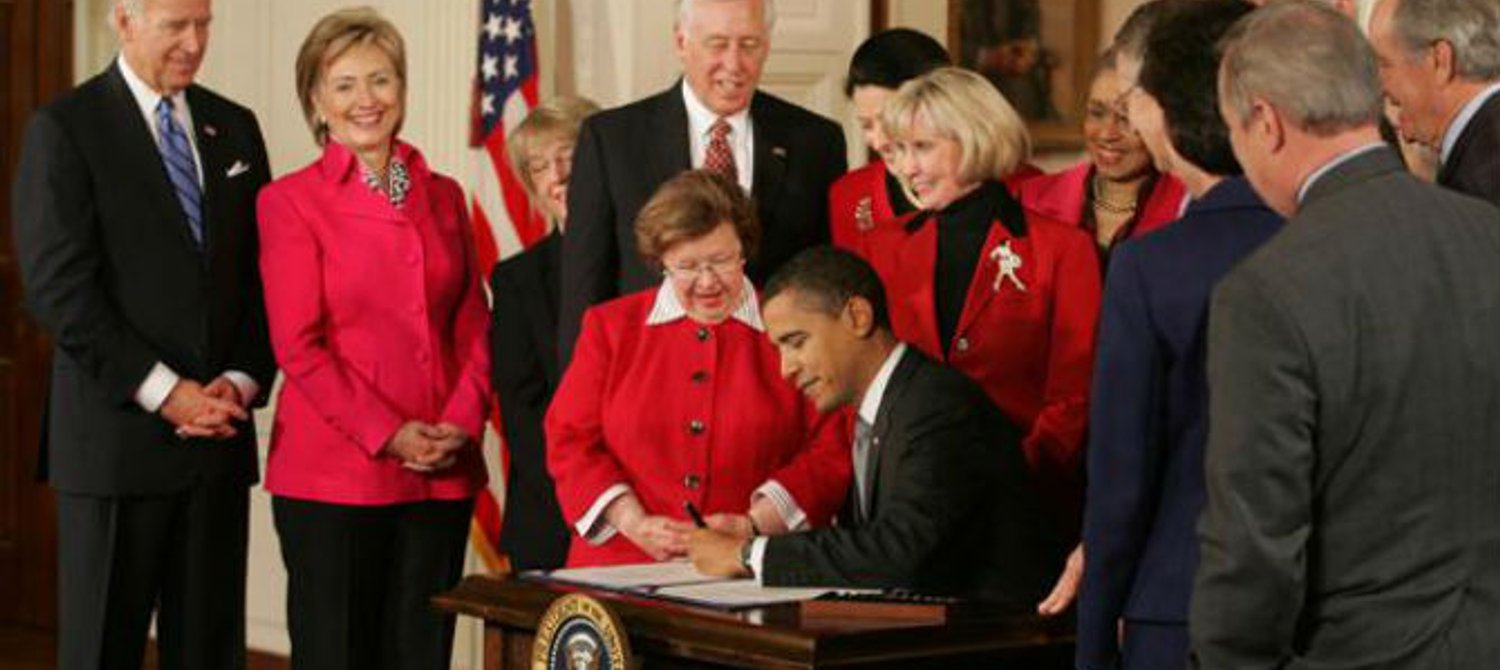
The presidency of Barack Obama marked a pivotal era for gender equality, laying a robust foundation for policies aimed at uplifting women across various sectors. From boardrooms to classrooms, and from the domestic economy to international development, Obama's administration championed initiatives designed to dismantle barriers and create pathways to opportunity. His legacy is not just defined by the landmark legislation he signed but also by the cultural conversations he spurred, which continue to reverberate today. Central to this enduring impact are foundational laws like the Lilly Ledbetter Fair Pay Act, which served as a powerful statement about economic justice and equality.
In the broader context of governmental action to empower women act as full and equal participants in society, Obama’s eight years in office demonstrated a concerted effort. This article delves into the specific policies and the broader ethos of empowerment that characterized his administration, exploring how these actions continue to shape the landscape for women in America and globally.
The Lilly Ledbetter Fair Pay Act: A Cornerstone of Economic Justice
One of the very first pieces of legislation President Obama signed into law, the Lilly Ledbetter Fair Pay Act of 2009, stands as a testament to his commitment to economic fairness for women. This act directly addressed a critical flaw in existing anti-discrimination law, which had been highlighted by the Supreme Court's 2007 ruling in Ledbetter v. Goodyear Tire & Rubber Co. Before this act, victims of pay discrimination often found themselves barred from suing once a strict 180-day (or 300-day in some states) statute of limitations had passed from the initial discriminatory pay decision, even if they had only learned about the disparity much later.
The Lilly Ledbetter Act fundamentally changed this. It clarified that each discriminatory paycheck received resets the 180-day limitation period, making it significantly easier for individuals to challenge ongoing pay discrimination and recover lost wages. This legislation was a crucial step in ensuring that women, who historically face a persistent gender pay gap, have a meaningful legal recourse to fight for equal pay for equal work. It sent a clear message that pay discrimination would not be tolerated and that employers would be held accountable for unjust compensation practices. For countless women, this was a vital empower women act, providing them with the tools to demand fairness and equity in their earnings.
Beyond the Lilly Ledbetter Act, the Obama administration furthered its commitment to fair pay by prohibiting federal contractors from retaliating against employees who discuss their compensation and by creating the National Equal Pay Task Force. These efforts collectively aimed to strengthen enforcement of equal pay laws and promote transparency in compensation, encouraging a cultural shift towards more equitable workplaces.
Expanding Economic Opportunity: From Small Business to Paid Leave
President Obama's vision for women's empowerment extended well beyond fair wages, encompassing broader economic opportunities and support systems. His administration recognized that true equality requires addressing systemic barriers that impact women's ability to thrive professionally and financially.
Supporting Women-Owned Small Businesses
A significant focus was placed on fostering entrepreneurship among women. While specific legislative initiatives regarding the Small Business Administration's (SBA) Women-Owned Small Business (WOSB) Federal Contracting program have evolved over time, the Obama administration actively promoted and utilized this program to ensure women entrepreneurs had a fair shot at securing federal contracts. This support was crucial for helping women start, grow, and sustain their businesses, contributing significantly to job creation and economic growth. The ongoing evolution of such programs, including more recent legislation allowing certain women-owned small businesses to retain their WOSB certification for seven years even with specific ownership structures, builds upon the foundational support for women entrepreneurs. Learn more about these vital protections in Empowering Women in Small Business: WOSB Certification Extended.
Advancing Paid Leave and Work-Life Balance
Another area where the Obama administration made considerable strides was in advocating for paid sick and family leave. Recognizing that a lack of paid leave disproportionately affects women – who often bear the brunt of caregiving responsibilities – the President signed an Executive Order requiring federal contractors to provide up to seven paid sick days annually to their employees. He also consistently called on Congress to pass legislation that would extend similar paid leave protections to most American workers. These efforts significantly influenced states and cities, with several passing their own paid sick and family leave laws during and immediately after his tenure. This push for paid leave was a fundamental empower women act, acknowledging that the ability to take time off for illness or family needs without sacrificing income is essential for women's career stability and overall family well-being.
Furthermore, the administration encouraged cities and states to adopt policies like higher minimum wages, which disproportionately benefit women, who often hold minimum wage jobs.
Global Reach and Systemic Change: The WEEE Act and Beyond
The Obama administration also understood that empowering women is not just a domestic issue but a global imperative. The focus on gender equality extended to international development efforts, influencing subsequent policies like the Women's Entrepreneurship and Economic Empowerment Act (WEEE Act), passed unanimously in January 2019. While enacted post-Obama's presidency, this bipartisan legislation reflects the sustained momentum generated during his term to integrate gender-sensitive approaches into international aid.
The WEEE Act mandates that the U.S. Agency for International Development (USAID) scrutinize all its work to assess its impact on women, ensuring that foreign assistance effectively promotes women’s economic empowerment and financial resilience as a core strategy for addressing global poverty. This shift towards a mandatory gender-sensitive approach is a profound example of a targeted empower women act on the international stage, recognizing that investing in women is key to sustainable development and poverty reduction worldwide. Dive deeper into this crucial legislation in The WEEE Act: Driving Global Gender Equality in Development.
The White House Council on Women and Girls (CWG)
Domestically, a key institutional innovation was the creation of the White House Council on Women and Girls (CWG) in 2009. Comprised of representatives from every federal agency and White House office, the CWG coordinated efforts across the government to ensure that the needs and perspectives of women and girls were integrated into all programs, policies, and legislation. This systematic approach helped to embed gender considerations at the heart of federal decision-making, moving beyond ad-hoc initiatives to a more comprehensive and cohesive strategy for empowerment.
Driving Cultural Change
Beyond legislation and institutional structures, President Obama actively used his platform to drive a national conversation about treating women fairly, respecting their contributions, and combating issues like sexual assault. His vocal advocacy helped shift cultural norms, encouraging schools, workplaces, and communities to adopt more inclusive and respectful environments. This emphasis on cultural change, alongside concrete policy actions, fostered a more conducive environment for women to assert their rights and achieve their full potential.
Actionable Insights: Building on the Legacy to Empower Women
The legacy of the Obama administration offers valuable lessons and impetus for continued action. To truly build on these foundations and further empower women actively in all spheres, individuals, businesses, and policymakers must take deliberate steps:
- For Individuals:
- Know Your Rights: Understand legislation like the Lilly Ledbetter Act, which protects against pay discrimination. Educate yourself on fair pay laws in your state and workplace.
- Advocate for Yourself: Negotiate your salary, discuss compensation with trusted colleagues (where permissible), and report suspected pay disparities.
- Utilize Resources: If you're a woman entrepreneur, explore programs like the WOSB certification to access federal contracting opportunities.
- For Businesses:
- Implement Fair Pay Audits: Regularly review compensation practices to identify and rectify gender-based pay gaps.
- Offer Comprehensive Benefits: Provide paid sick and family leave, which is crucial for retaining female talent and supporting work-life balance.
- Foster Inclusive Cultures: Promote diverse leadership, challenge gender biases, and create safe environments where all employees feel respected and valued.
- For Policymakers and Advocates:
- Continue Legislative Efforts: Push for federal paid family leave, universal childcare, and further protections against discrimination.
- Strengthen Enforcement: Ensure that existing laws, such as those combating pay discrimination, are rigorously enforced.
- Support Global Initiatives: Continue funding and advocating for gender-sensitive approaches in international development, mirroring the principles of the WEEE Act.
Conclusion
President Obama's legacy in empowering women is multifaceted and profound, marked by a combination of landmark legislation, institutional innovation, and a sustained commitment to cultural transformation. Laws like the Lilly Ledbetter Fair Pay Act provided critical legal recourse, while broader initiatives supporting women-owned businesses and advocating for paid leave expanded economic opportunity. The establishment of the White House Council on Women and Girls and a global emphasis on gender equality through efforts like the WEEE Act cemented a systemic approach to empowerment. These actions collectively created a powerful framework, demonstrating how concerted efforts can truly empower women act as catalysts for progress and equality. While challenges remain, the foundations laid during his presidency continue to inspire and guide the ongoing journey toward a more equitable world for all women.